Exploring the Tallest Building in the UAE

Intro
The journey to understanding the tallest building in the UAE invites us to explore more than just its awe-inspiring height. This skyscraper, a beacon of ambition, encapsulates the rapid evolution of Dubai's skyline and reflects broader trends within the global real estate landscape. As this article unfolds, we'll navigate through the architectural intricacies, the construction journey that brought it to life, and the significant ripple effects it has on Dubai's real estate market.
Take a moment to consider the significance of such a structure. It is not merely a tall building; it symbolizes an era of unprecedented growth and urban reinvention in the UAE. With ever-increasing interest from investors, homebuyers, and renters alike, it becomes paramount to delve into the statistics and insights that inform market trends today.
As we forge ahead, we'll delve into the sections that follow, each meticulously crafted to provide a holistic view of this monumental achievement. Expect to explore current market analyses, investment strategies, and the cultural resonance of such landmarks in urban settings.
Prelude to the Tallest Building in the UAE
In the heart of Dubai’s ever-evolving skyline, one structure stands out as a testament to not just architectural brilliance but also a vision that propelled a nation onto the world stage. This article aims to delve deep into the significance of the tallest building in the UAE, exploring not only its grand stature but also the myriad ways it influences the dynamics of Dubai's economy, culture, and real estate market.
The significance of the tallest building extends beyond its height. It is a symbol, a beacon of progress, and an embodiment of the ambitions that have shaped the UAE over the last few decades. For investors, homebuyers, and renters, understanding the context surrounding this landmark is crucial. This building is not merely an architectural achievement but also a pivotal player in the narrative of urban development in Dubai.
Consider this: the visual impact of the tallest building attracts millions of visitors each year, creating vast opportunities within the tourism sector. Local businesses thrive as tourists explore the surrounding areas, creating a ripple effect that benefits the economy as a whole. Beyond that, the building acts as a magnet for high-profile events that showcase Dubai to the world, drawing attention and investment.
Just as important is the cultural significance this skyscraper holds. It often appears in media, from movies to Instagram feeds, reinforcing its status as more than just a structure. It resonates with the identity of the UAE, showcasing modernity and the fusion of tradition and innovation.
As we explore this building in greater detail throughout the article, we'll unpack its architectural nuances, historical roots, and the challenges faced during construction. We’ll also examine how it shapes the real estate market, influencing prices and investment potential. Each section will provide insights that illuminate the broader implications of one of the most iconic buildings in the world.
In summary, the tallest building in the UAE is not just a record-holder; it is a multifaceted entity that plays a vital role in shaping Dubai’s identity and future. Whether aptly viewed through the lens of an investor, a homebuyer, or a curious tourist, its relevance in today's landscape is undeniable.
Historical Context of the UAE's Skyline
Understanding the historical context of the UAE's skyline is pivotal to appreciate not just the tallest building but the entire architectural narrative that has come to define the region. The evolution of the skyline reflects a journey of rapid urbanization, cultural shifts, and the relentless pursuit of modernity. It is essential to view these developments in light of the UAE's societal evolution, as the architectural choices made over the years narrate stories of ambition and identity.
The Evolution of Architecture in the UAE
The architectural style in the UAE has seen a grave transformation over the decades. In the early days, structures in regions like Dubai and Abu Dhabi were humble, often using local materials such as coral and mud for construction. These buildings were designed with climate considerations in mind, featuring thick walls and small windows to keep the interiors cool.
However, as oil was discovered in the 1960s, the skyline began to take on a new character. A desire for modernity and a global presence sparked a frenzied construction boom, replacing humble homes with futuristic designs. The introduction of glass and steel into the building vocabulary showcased not only modern technology but also a new identity focusing on opulence and luxury.
Influential architects, like Adrian Smith, who later designed the tallest building, embraced international styles while integrating Islamic design elements. This blend of tradition with modern aesthetics helped create a distinctly UAE skyline that is recognized worldwide. Importantly, this evolution has not only contributed to architectural beauty but also served as an economic catalyst, attracting both tourists and investors eager to experience and partake in the rapid development.
Key Milestones in Dubai’s Development
Dubai's rapid ascent as a global city reached several key milestones, each representing a leap in ambition and vision. The opening of the Burj Al Arab in 1999 marked the city's foray into luxury tourism, becoming a symbol of wealth and excess. This was shortly followed by the completion of the Palm Jumeirah, an audacious man-made island that reaffirmed Dubai's status as a pioneer in innovative construction.
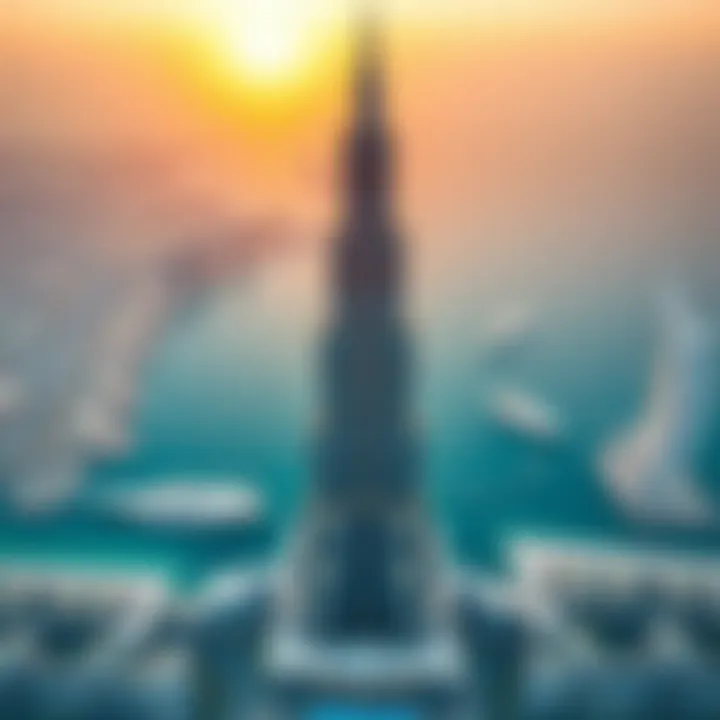
Yet, the tallest building, Burj Khalifa, completed in 2010, stands at the pinnacle of these milestones. Serving as an icon of modernization, it draws the line connecting Dubai's rich past to its ambitious future. The structure promotes international business while simultaneously inviting global tourists to experience its breathtaking views from the observation deck.
The cumulative effect of these milestones can be observed in the real estate developments that followed suit. Large-scale projects and luxury residences began to rise like mushrooms after rain, leading to an increase in property value and making Dubai a desirable locale for investors.
Architectural Design of the Tallest Building
The architectural design of the tallest building stands as a testament to human ingenuity and ambition in the rapidly evolving landscape of urban development. This section probes into what makes the structure more than just a piece of engineering but a living part of Dubai's identity. Its design and aesthetics weave together form and function, creating a landmark that is both visually stunning and purposefully engineered. The interplay of cutting-edge technology with cultural elements reflects a unique position that the UAE occupies on the global stage.
Innovative Structural Features
When we look at the innovative structural features of this iconic building, one cannot help but marvel at the engineering prowess behind its construction. The use of a buttressed core design has allowed for greater height without compromising stability. This design is particularly crucial given the wind loads experienced at such altitudes. The fact is, Dubai's climate doesn't exactly play nice with tall structures. The wind tunnel tests carried out during the design phase were pivotal to ensure that the building could withstand the gusts common to the region.
Moreover, adaptive technology plays a key role in maintaining a comfortable environment for occupants. For instance, the smart building systems integrated into the structure allow for real-time monitoring and adjustments. These systems control lighting, climate, and energy efficiency, showcasing the blend of aesthetics and technology that defines modern architecture. The tall building, as a result, is not just a visual piece of art but a fully functional environment, adjusting to the needs of its inhabitants.
Exterior Facade and Materials Used
The exterior facade of the building is a marvel in its own right, utilizing materials that both protect and accentuate its grandeur. Constructed primarily from high-performance glass and steel, it not only enhances the aesthetic appeal but also contributes significantly to the building's energy efficiency. The glass is treated to reflect heat, minimizing the need for excessive air conditioning – a migration to sustainability that is becoming essential in today’s climate.
In addition to glass and steel, the incorporation of local materials has given the building a sense of place. The stone from nearby quarries adds a touch of authenticity in a sea of global influences, grounding the design in the natural elements of the UAE. The design philosophy focuses on harmonizing with the environment, creating a seamless link between the architectural structure and the surrounding urban landscape.
"In every detail, the design of the tallest building interlaces cultural heritage with futuristic aspirations, forming an emblem of Dubai's narrative of progress and innovation."
To summarize, the architectural design of the tallest building is not an isolated feat but a careful orchestration of aesthetics, functionality, and cultural significance. Features such as the buttressed core and high-performance facade materials combine to make this landmark not only an architectural wonder but also a cornerstone for future urban developments in the region.
Construction Challenges Faced
The construction of the tallest building in the UAE wasn't just a matter of pouring concrete and raising steel beams; it was a monumental task fraught with numerous challenges that tested both the ingenuity and resolve of the engineers and constructors involved. Understanding these construction challenges provides valuable insights not only into the resilience required to construct such a tower but also highlights the technological advancements and planning necessary for success.
From environmental hurdles to on-site safety measures, every aspect of construction was meticulously planned and executed to ensure that the final product was not only resilient but also a marvel of modern architecture.
Overcoming Weather Conditions
One of the most formidable challenges faced during construction was the weather conditions specific to the UAE. Located in a region characterized by extreme temperatures, sandstorms, and high humidity, the project required exceptional planning and innovative solutions.
For instance, summer months can see temperatures soaring well above 40 degrees Celsius, which presents issues when working with concrete. The material can set too quickly under such heat, compromising its strength. To counteract this, construction teams often had to alter their working hours to avoid the midday sun, opting instead for cooler early morning or late evening shifts.
Additionally, sandstorms could disrupt work schedules and create hazards on site. To prepare for such weather events, teams implemented measures including:
- Employing wind barriers to protect material and equipment.
- Investing in specialized machinery capable of operating under less-than-ideal conditions.
- Implementing thorough training for all staff members on how to work safely during inclement weather.
In doing this, the construction team ensured they maintained a steady work pace without compromising safety or quality.
Safety Measures During Construction
Safety on a bustling high-rise construction site was paramount. The building's significant height stretched both the physical limits of contractors and the safety regulations they had to adhere to. Knowing that even a tiny oversight could lead to catastrophic results, rigorous safety protocols were developed.
Key safety measures included:
- Comprehensive Safety Training: Workers received extensive training to understand the risks associated with high-rise construction. This training encompassed everything from proper harness use to emergency evacuation procedures.
- Implementation of Advanced Technology: The use of drones allowed supervisors to monitor worksite safety from above, ensuring compliance with safety protocols without physically being in dangerous areas.
- Regular Safety Drills: Frequent drills were conducted to prepare workers for emergency evacuation or response to onsite accidents, reinforcing safety into the workplace culture.
- Machinery Inspections: All equipment was subjected to strict and regular inspections to prevent malfunctions that could endanger workers.
Ultimately, these measures fostered a culture of safety that was instrumental in the successful completion of the project. It is a testament to engineering excellence and a commitment to protecting human life, reminding us that the real worth of a structure isn't just in its height but in the care taken to build it.
Economic Impact on Dubai
Understanding the economic impact of the tallest building in the UAE is crucial, not just as a standalone marvel but as a pivotal cog in the greater mechanism of Dubai's growth. This towering edifice represents much more than an engineering achievement; it is a catalyst for economic activity that resonates throughout various sectors in the region. Investors, homebuyers, and others involved in the market are keenly interested in how such infrastructure can shape financial landscapes and drive progress.
Influence on Real Estate Prices
The presence of prominent structures like the tallest building tends to elevate real estate values in their vicinity. It's not just about the height; it's about the prestige and allure that such landmarks carry. Properties found close to this architectural gem often witness a surge in demand, as they embody a lifestyle of luxury and exclusivity. In neighborhoods surrounding the building, homebuyers find themselves in a prime position, where listings appreciate at a pace often outstripping urban averages.
Additionally, developments like these attract high-profile investors looking to capitalize on the perceived value of being associated with such iconic locations. The narrative surrounding the building enhances perceptions of safety, vibrancy, and desirability among potential residents and businesses.
"The tallest building in Dubai is not merely an architectural feat; it serves as a reflection of the city’s ambitions, influencing nearby real estate prices significantly." - Real Estate Analyst
Boosting Local Economy through Tourism
Tourism plays a monumental role in Dubai's economy, and attractions like the tallest building are at the heart of that strategy. This iconic structure draws millions of tourists every year, eager to experience breathtaking views and innovative architecture. The influx of visitors contributes significantly to local businesses, from hotels to restaurants, creating jobs and generating revenue.
In fact, according to recent reports, the tourism sector generated approximately 11.5% of Dubai's GDP, and a substantial portion of that can be traced back to interest generated by landmark attractions. The tallest building also fosters ancillary services like guided tours, merchandise, and cultural experiences designed to further enrich visitors' stays.
As the world gravitates towards urban centers as tourism hotspots, the existence of such landmarks catalyzes broader economic growth, subsequently enhancing Dubai's reputation as a global destination.
By looking deeper into the economic influence of the tallest building on Dubai, one can get a clearer picture of how landmark architecture is interwoven with urban prosperity, shaping not only the skyline but the financial fabric of the city.
Cultural Significance of the Building
The tallest building in the UAE is more than just an architectural wonder; it symbolizes progress, innovation, and the unique identity of the nation. Its towering presence against the Dubai skyline serves as a beacon, attracting attentio from far and wide. Beyond its impressive height, the building represents the aspirations of the Emirates, showcasing what can be achieved through vision and determination.
In a country where tradition meets modernity, this structure encapsulates the ethos of the UAE. It stands as a cultural landmark, illustrating how the nation has embraced architecture as a form of expression. The building not only enriches the surrounding urban environment but also creates a powerful narrative of what the UAE represents on the global stage.
"In the heart of Dubai, where the desert meets the sky, innovation and culture intertwine, creating symbols that redefine our horizons."
This site has become a gathering point for locals and tourists alike, contributing to social cohesion. People from diverse backgrounds visit, each finding their own meaning in its grandeur. As the tallest building, it has transcended its physical height to become part of the identity of Dubai itself.
Symbol of Modernity in UAE
When one gazes upon this monumental structure, the first thought that frequently springs to mind is modernity. It reflects the ambitious spirit of a young nation that has rapidly evolved within a few short decades. The UAE has transitioned from a collection of small fishing villages to a global hub for business, tourism, and culture, and the tallest building stands proudly at the forefront of this journey.
Architects and designers infused cutting-edge technology and innovative designs into every crevice and corner of the building. With sustainable practices in mind, it includes features like energy-efficient systems and advanced materials that resonate with contemporary architectural trends. This savvy integration of sustainability with aesthetic superiority strengthens its position as an emblem of modern achievement.
Representation in Popular Culture
The building has not only found its place in the architectural community but also in popular culture. Movies, music videos, and advertisements frequently showcase it as a backdrop, embedding its image into the world’s consciousness. The iconic structure serves as a visual shorthand for Dubai and increasingly for modernity as a whole.
Digital media platforms like Reddit and Instagram are flooded with posts and images dedicated to this architectural masterpiece. This exposure reinforces its significance, making it a subject of both admiration and intrigue. Furthermore, social media influencers often use its image to connect with followers and showcase the luxury lifestyle associated with Dubai, thus perpetuating its status in both tourism and media realms.
This multifaceted representation in various forms of media underlines how the building has entangled itself within the fabric of everyday life, establishing itself as an integral part of not just the city, but also a global narrative about urbanization and architectural ambition.
In this exploration of cultural significance, the building emerges not merely as an icon of height but as a vibrant symbol of modernity and a beacon within popular culture, capturing the essence of the UAE's evolving identity in the global landscape.
Visiting the Tallest Building
Visiting the tallest building in the UAE is more than just a mere trip to a towering structure. It represents a journey into the heart of modern Dubai, a canvas where architectural genius and cultural reflection collide. This towering giant stands not merely as a feat of engineering, but as a symbol of aspiration, progress, and economic evolution. For investors, homebuyers, renters, and agents, the presence of such a monumental structure in the urban landscape is significant not only as an attractive destination but also as a potential hub for business opportunities.
When exploring this skyscraper, there are key elements to consider. The visual impact as you approach it from different vantage points across the city is breathtaking. After all, experiencing the scale and design up close is almost daunting. Tourists flock here not just for the height, but for the unique experiences crafted around it.
Tourism Opportunities and Experiences
The opportunities for tourism around the tallest building are plentiful. One could start their day by visiting the observation deck, where an impressive view of the Dubai skyline awaits. On clear days, it's said you can almost see the curvature of the Earth from that height! People can use floor-to-ceiling windows for ideal photo ops, posting their journey on social media while feeling part of something grand and profound.
Aside from the view, a real treat is the multimedia presentations that blend history and technology, giving visitors insight into how Dubai transformed from a desert settlement to an urban marvel. Walking through the plush corridors of the building's lobby, visitors encounter artworks that reflect UAE’s culture, sparking curiosity and admiration.
"This skyscraper is a clear contender for the title of the most photographed building in the world."
Local vendors and souvenir shops also flourish in the surrounding areas, providing cultural artifacts that make perfect mementos. Organizing guided tours that focus on architectural significance can be a great way to engage with the building's story in depth.
Dining and Other Amenities
Dining within and around the tallest building is an experience of its own. The choices range from luxurious fine-dining restaurants with world-class chefs to casual eateries that cater to a diverse range of tastes. Eating at a restaurant on one of the higher floors offers a dining experience paired with the panoramic views of the city and beyond. This unique combination keeps the restaurant buzzing with energy.
Moreover, the amenities do not stop at dining. The building offers retail spaces that house internationally renowned brands, providing shopping experiences that some claim rival the notorious shopping malls of Dubai. Visitors may find themselves taking a stroll through an indoor garden or visiting a spa that utilizes both modern and traditional wellness therapies.
For those contemplating a visit, exploring these dining options and various amenities can add a layer of enchantment to the overall experience of visiting the tallest building.
In summary, the blend of tourism opportunities, dining delights, and exceptional amenities around the site makes visiting the tallest building in the UAE a worthwhile excursion. For investors, recognizing these trends and offerings can shape investment decisions and uncover market potential in the vicinity.
Future Developments in Dubai’s Skyline
The landscape of Dubai is continuously shifting, much like sand dunes in the desert, with new buildings sprouting up almost overnight. The future developments in Dubai's skyline are not just about adding more tall buildings; they represent the evolution of an already established identity that combines modernism with a respect for cultural values. Understanding the significance of these future projects is crucial for investors, homebuyers, and those keeping an eye on urban growth.
Comparative Structures Under Construction
Currently, Dubai is home to several architectural marvels, but the horizon isn’t just about height. A number of ambitious projects are underway that are set to redefine how we think about urban living. Among these, the luxury residences of Burj Jumeirah aim to offer stunning views and are designed to enhance community living. Here's a peek into what might shape the future:
- Dubai Creek Tower: Designed to surpass the Burj Khalifa, this tower will draw inspiration from Islamic architecture and be a central figure in the Dubai Creek Harbor development.
- The Tower at Dubai Creek: A part of the broader Dubai Creek project, this development emphasizes integrated urban living with parks, retail spaces, and hospitality amenities, shifting the focus from singular iconic structures to holistic environments.
- Dubai Square: Envisioned as a new global shopping destination, this place blends leisure, retail, and community space in an innovative manner.
With these projects, Dubai is not only looking to elevate its skyline but also enhancing the quality of life through mixed-use spaces that cater to both residents and visitors. Investors are likely eyeing these opportunities closely, as they promise solid returns against the backdrop of an increasingly sophisticated urban playground.
Vision for Urban Growth
The vision for urban growth in Dubai encapsulates a strategy that aims for sustainability and smart city principles. It is vital that developments reflect a balance between economic growth and environmental awareness. The government has been vocal about implementing initiatives that make Dubai a beacon of innovative urban planning. Among the core aspects of this vision are:
- Sustainability: Projects such as the Mohammed bin Rashid City are designed with eco-friendly features, integrating parks and green spaces to combat urban sprawl. It’s a concerted effort to enhance the livability of the city, appealing to a demographic that values both comfort and environmental responsibility.
- Smart Technology: The integration of smart technologies in infrastructure means developments can provide residents with a seamless living experience. This includes everything from smart meters to transportation options that are interconnected and efficient.
- Affordable Housing Initiatives: While luxury living garners glitzy headlines, there’s a strong push to create affordable housing options that cater to the larger segment of the population. Such developments will ensure that even as the skyline rises, the foundational goal of inclusive growth remains intact.
Insights for Investors
Understanding the investment landscape around the tallest building in the UAE is pivotal. This segment sheds light on the various dimensions of investment potential that iconic structures like the tallest building embody. Investors, whether seasoned or new to the game, need to keep a finger on the pulse of how such landmarks impact market trends and real estate dynamics. The allure of a globally recognized structure can amplify its significance beyond mere numbers; it embraces a narrative of growth, promise, and innovation.
For many, the tallest building in the UAE is not just a record-breaking structure; it represents a formidable opportunity. Investors should assess not only the monetary aspects but also the cultural influence and potential for tourism revenue that these edifices generate. When you think about investing in such structures, it's crucial to consider:
- Asset Value Appreciation: Iconic buildings tend to attract premium offers due to their historical and architectural significance, likely leading to increased property values.
- Tourism Revenue: High foot traffic translates into consistent business opportunities. A larger influx of tourists can fuel demand for retail spaces and hospitality services nearby.
- Symbol of Prestige: Being associated with a landmark can elevate businesses, giving them a competitive edge in a saturated market.
- Cultural Attractions: Structures of significant height often contribute to a city's identity, boosting local arts, culture, and community events.
"Investing in iconic structures is not just about capital; it's about being part of a living legacy."
Investment Potential of Iconic Structures
When analyzing the investment potential of buildings like Dubai's tallest structure, one can look at both historical data and future projections. Beyond the awe of reaching impressive heights, such structures catalyze real estate development in their vicinity. Investors often find themselves navigating a goldmine of opportunity because:
- Improved Infrastructure: New developments often coincide with upgrades to local amenities, transportation, and public services, all contributing to an enhanced quality of life.
- Rising Demand: As urban populations grow and more businesses flock to these thriving districts, demand for both commercial and residential spaces tends to spike.
- Branding Opportunities: Retail ventures establishing themselves in the shadow of an iconic building gain instant recognition, translating into higher footfalls.
In essence, understanding the relationship between iconic structures and real estate investments can provide key insights into making informed decisions.
Navigating the Real Estate Market in Dubai
For those looking to invest in the bustling real estate market of Dubai, knowledge is power. Navigating this vibrant arena involves not just understanding pricing dynamics but also the intricacies of local laws, regulations, and cultural nuances. Here are crucial pointers for prospective investors:
- Market Research: Staying updated with local news, property trends, and ongoing developments can make or break an investment decision.
- Building Relationships: Cultivating strong connections with local real estate agents can give you inside information about off-market deals and emerging trends.
- Regulatory Insight: Familiarize yourself with laws regarding ownership, leasing, and construction. These factors can significantly influence your investment journey.
- Market Timing: Like the stock market, the real estate market experiences ebbs and flows. Identifying the right time to invest can yield substantial returns.
Taking these factors into account can significantly enhance the likelihood of a profitable venture in Dubai’s distinctive real estate market. Ultimately, understanding the broader implications of investing in the tallest building in the UAE can guide investors in seizing opportunities that may otherwise escape notice.
Culmination
In wrapping up our exploration of the tallest building in the UAE, it's vital to reflect on the multifaceted importance this structure holds not just for Dubai, but for the region at large. This magnificent edifice serves as a testament to human ingenuity and ambition, showcasing the modern architectural wonders that can emerge when vision meets opportunity.
Understanding the role this building plays within the urban landscape is crucial for various stakeholders, including investors, homebuyers, and real estate professionals. For investors, the building represents a unique opportunity—an asset that not only stands tall physically but also symbolizes a strategic bet on Dubai's ever-evolving real estate market. The economic ripple effects on local businesses and tourism cannot be understated; this skyscraper draws tourists, boosting spending in surrounding hotels, shops, and restaurants.
Moreover, for potential homebuyers looking to settle in Dubai, this landmark influences property values and neighborhood charm. The prestige associated with residing in proximity to such an icon can potentially elevate one's social status while promising long-term appreciation on property investments.
Additionally, property managers and agents should harness the narrative surrounding this building to market surrounding listings effectively. By aligning listings with the allure of such a monumental project, they can appeal to clients looking to invest in the next big thing in real estate.
A few specific considerations when reflecting on this building's impact include:
- Market Influence: The way the building can reshape real estate trends and pricing in its vicinity.
- Urban Planning: Its role in influencing future developments and infrastructure in Dubai.
- Cultural Symbolism: How it embodies the aspirations and ethos of the region—it’s more than just a building; it’s a reflection of collective ambition.
"The importance of the tallest building transcends mere height; it encapsulates a vision for an ambitious future."