Exploring the Old Market: Cultural Heritage in Dubai

Intro
The Old Market in Dubai stands not just as a bustling hub of commerce, but also as a living testament to the emirate's rich cultural tapestry. This marketplace has evolved through the sands of time, reflecting the transformative forces that have shaped Dubai into the vibrant city it is today. As we explore the multifaceted roles this market plays in both local customs and the economy, it becomes evident that it’s more than just a place for buying and selling; it’s a microcosm of the larger narratives at play in the region.
From the aromas of spices wafting through the air to the sights of vibrant textiles hanging from every stall, the Old Market encapsulates the spirit of trade that has held sway in this part of the world for generations. It is an area where history mingles with modernity, drawing both locals and tourists into its web of intrigue. The market’s architecture harks back to a time of craftsmanship, an era where structures were not just built but were imbued with stories of those that frequented them.
As we delve into the market’s current economic implications and its cultural significance, it’s essential to consider how these elements intertwine. How does the Old Market influence modern real estate trends? What can investors learn from its ongoing evolution? These queries form the backbone of our exploration, leading us through the corridors of trading history and into the heart of contemporary Dubai.
By unearthing the dynamics of the Old Market, we aim to furnish readers—be they investors, homebuyers, renters, or real estate agents—with insights that not only illuminate the past but also forecast impending trends. As we proceed, let's start laying the groundwork for understanding the current landscape and market insights that define this iconic location.
Prologue to the Old Market
The Old Market stands as a vibrant testament to the rich tapestry of Dubai’s heritage and economy. With its bustling alleys and a medley of sounds and sights, it's more than just a shopping destination; it reflects the very soul of the city and its people. This introduction encapsulates the essence of why this market is of paramount importance to both locals and visitors alike.
Diving into the Old Market offers a multi-faceted view of Dubai's past, bridging historical events with contemporary practices. Here, one can find unique handcrafted items, local spices, and textiles that whisper stories of yesteryears while adapting to modern trends. The Old Market is not merely a marketplace; it serves as a cultural hub where generations gather to share their crafts, food, and traditions, making it integral to local identity.
The economic significance of the Old Market cannot be underestimated. For centuries, it has played a pivotal role in trade, influencing not just local businesses but also attracting tourists, investors, and expatriates. Buyers come in search of authentic experiences and goods, while vendors find love not just for their trade but for the community woven around it.
In summary, engaging with the Old Market provides a unique lens through which to view Dubai's evolution. It offers a rich historical context, an understanding of cultural significance, and a clear picture of its continuing influence on the local economy. As we explore this cherished space, we peel back the layers that reveal the interplay between the ancient and the modern, securing its place as a vital thread in Dubai’s cultural and economic heritage.
Historical Context
The history of the Old Market is as intricate as the patterns found in its textiles. Established in the 19th century, it began as a modest trading post that catered to the local community. Early traders exchanged goods such as fish, spices, and textiles. This laid the groundwork for what would transform into the bustling marketplace it is today.
Over the decades, the Old Market evolved hand in hand with Dubai’s development. The discovery of oil in the mid-20th century marked a turning point, catapulting the region into an era of rapid modernization. Thus, the Old Market adapted, expanding its offerings to cater to an increasing influx of foreign visitors and a burgeoning expatriate community. These shifts helped preserve a unique blend of old and new, where traditional stalls remain alongside more contemporary shops, crafting a one-of-a-kind shopping experience.
The market isn’t just about commerce; it's a historical narrative captured in its architecture and layout. The heritage buildings present a stunning array of coral stone and wind towers - both symbols of traditional Arabian design that once provided natural cooling.
Cultural Significance
Beyond its historical roots, the Old Market plays a crucial role in nurturing Dubai's cultural identity. It is a melting pot of ethnicities, traditions, and crafts, each contributing to the fabric of the market. The variety of products available—from silver jewelry to Persian carpets—illustrates the diverse backgrounds of its vendors and their crafts.
Moreover, the Old Market serves as a living museum of Emirati culture. Festivals, events, and local workshops routinely take place here. Such activities invite engagement and interaction, fostering a greater appreciation for the national heritage. Visitors don't just purchase items; they participate in an experience that encompasses the warm hospitality of the locals, the aromas of spices, and the sounds of haggling.
In essence, the Old Market is an essential space where culture thrives, preserving the past while embracing the future. It makes the vibrant history of Dubai accessible and relatable, inviting all who enter to understand and celebrate its journey.
“The Old Market is more than just an exchange of goods; it's a bridge connecting generations and cultures.”
In today’s context, retaining such cultural spaces becomes increasingly vital. It reflects a collective memory and ensures that the stories and artifacts of the past are not lost in the hustle and bustle of modern development. As we continue to explore the other dimensions of the Old Market, it remains clear that its contribution to both cultural heritage and economic development is irreplaceable.
Geography and Layout
Understanding the geography and layout of the Old Market is crucial for grasping how it connects the past with the present. The location isn't simply a dot on the map; rather, it is a vivid tapestry woven into the cultural and economic fabric of Dubai. Positioned strategically within the bustling heart of the city, the Old Market serves as both a historical landmark and a lively commercial hub. The accessibility of this site makes it a nucleus for both locals and tourists, drawing people together in a shared space that is steeped in history.
Location and Accessibility
The Old Market lays near the Dubai Creek, which has been the lifeblood of trade and commerce for centuries. This creek is more than just a body of water; it symbolizes the meeting point of various cultures and trades that have taken place over eons. Its proximity to significant landmarks such as the Dubai Museum and the Heritage Village enhances its visibility and relevance. The location benefits not only from historical significance but also from modern infrastructure. With available public transport options like the Dubai Metro and numerous bus routes, navigating to the Old Market is a breeze.
Moreover, ample parking facilities are available for those who choose to drive. The bustling area encourages foot traffic, allowing visitors to stroll amidst the colorful stalls and soak in the sights and sounds.
"The Old Market is more than just a shopping destination; it is a reflection of Dubai's evolving identity, a hub where tradition meets modernity."
Architectural Styles
When stepping into the Old Market, visitors are met with a treat for the senses—architectural styles that showcase a blend of old-world charm and contemporary design. The structures tell their own stories, crafted from local materials like coral and limestone, each with its own unique character.
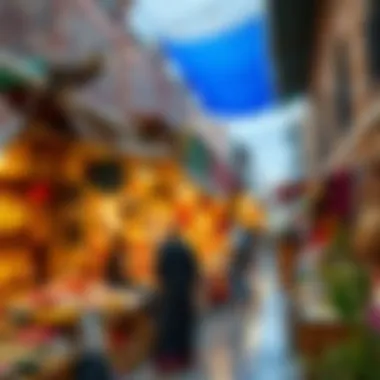
The narrow alleyways, lined with wooden beams and traditional facades, invite exploration. This locality exhibits Arabian architectural elements, with ornate arches, intricate carvings, and shaded walkways designed to provide relief from the Arabian sun. The souks, or marketplaces, are particularly notable. Each one has its own distinctive layout, reflecting the goods sold, from spices to textiles.
While the Old Market preserves traditional architectural styles, it also embraces modern design aesthetics that cater to contemporary shoppers. This juxtaposition creates an engaging environment, stimulating both locals and visitors to appreciate the meeting of eras. These architectural choices are not merely for aesthetics; they serve functional purposes, enhancing airflow and creating communal spaces that foster engagement and interaction.
Real estate professionals and investors find unique opportunities within this setting, as properties in and around the Old Market are imbued with character and cultural significance. The layout accommodates both traditional shopping experiences and modern retail, potentially affecting property value and investment desirability in the broader context of real estate.
Through this geographical and architectural lens, we gain insights that not only enrich our understanding of the Old Market but also highlight its relevance in today’s economic landscape.
Economic Contributions
The Old Market stands as a beacon of economic vibrancy in the bustling landscape of Dubai. Understanding the economic contributions of this iconic market offers invaluable insights not just into its historical significance, but also its profound implications on contemporary commerce and real estate. The Old Market is more than just a place to shop; it is a central hub that fuels local entrepreneurship, sustains livelihoods, and attracts investment. This section will delve into two main aspects: the role the market plays in the local economy and its impact on real estate trends.
Role in Local Economy
The Old Market functions as the lifeblood of the community's economy, providing not merely goods for sale but also fostering an ecosystem rich in cultural exchanges. Here, you'll find a multitude of vendors ranging from traditional spice merchants to artisans selling handmade crafts. This variety caters not only to locals but also to tourists from around the world, contributing to a steady influx of customer traffic and monetary circulation.
Moreover, the presence of small businesses and stalls encourages entrepreneurship, often allowing small producers to engage directly with consumers. In many cases, vendors are family-run affairs, creating jobs and providing a source of income for several households. Thus, the market serves as a platform for innovation and creativity, showcasing local goods that might otherwise go unnoticed in larger corporate settings.
- Contributions of the Old Market to the local economy include:
- Job creation in various sectors, from retail to hospitality.
- Promotion of local products and services.
- Facilitation of cultural tourism, which attracts international visitors, further enhancing economic activity.
In essence, the Old Market is not just a trading post; it's a social and economic nexus that feeds into Dubai's broader economic narrative. It offers employment, nurtures talent, and preserves the heritage that makes this city unique.
Impact on Real Estate Trends
As the Old Market continues to thrive, its influence on real estate trends can’t be overlooked. The evolving dynamics of the market often serve as a barometer for broader property values and investment opportunities in the area. Desirable locations near the Old Market are frequently seen as prime real estate, elevating their market value and making them hot spots for potential buyers and renters alike.
The continuous flow of tourists boosts the demand for residential and commercial spaces nearby, making it increasingly attractive for real estate developers. Properties that offer proximity to this economic hub tend to appreciate faster than those situated farther away.
- Influential aspects of the Old Market on real estate trends include:
- Increased interest from investors looking to capitalize on the influx of tourists.
- Rising property values in areas adjacent to the market.
- Development of mixed-use projects that combine residential, retail, and hospitality spaces to meet the growing demand.
As real estate experts observe, the area surrounding the Old Market is not only a unique melting pot of cultures but also a hotbed for lucrative investment opportunities. Growth in this region can greatly benefit from the market's sustained popularity, thus allowing homeowners and investors to capitalize on the positive economic trajectory.
In summary, the economic contributions of the Old Market to Dubai highlight its importance not just as a marketplace, but as a cornerstone of community stability and economic growth. By empowering local vendors and influencing real estate trends, the Old Market embodies the spirit of entrepreneurship and tradition, ensuring its relevance in both the present and future landscapes of Dubai.
Cultural Exchange and Tourism
The Old Market serves not just as a commercial hub but also as a vibrant crossroads of various cultures and traditions. This melting pot offers an unparalleled opportunity for cultural exchange, invigorating both its tourism appeal and the experiences of those who visit. Tourists stepping into the market are not merely buyers but participants in a rich tapestry of cultural interactions. The Old Market illustrates how commerce and culture coalesce, leading to a dynamic environment that benefits vendors, visitors, and the local economy alike.
Attraction for Tourists
The allure of the Old Market as a tourist destination is undeniable. From the scents of spices wafting through the air to the displays of locally crafted goods, the market offers an immersive experience unlike any upscale shopping mall. Its narrow alleyways and pulsating atmosphere transport visitors to a world where tradition meets modernity.
- Unique Offerings: Tourists can find artisan products that reflect the rich heritage of Dubai. Items like intricate textiles, handwoven baskets, and traditional handicrafts captivate visitors looking for authentic souvenirs.
- Culinary Delights: Food stalls and small restaurants serve mouth-watering traditional dishes. For many, trying local cuisine is an essential part of their travel experience.
- Cultural Events: Festivals and cultural performances often occur within the market, offering visitors a glimpse into local customs, crafts, and music.
Tourists' flowing into the market contribute not only to its vibrancy but also to its economic sustainability. Their presence fosters a culture of appreciation for local artisans, generating a ripple effect that boosts the economy beyond the confines of the market.
Promoting Local Artisans
As tourists flock to the Old Market, they are often drawn to the unique craftsmanship of local artisans. The setup operates as a platform for these artisans to showcase their talents, offering an array of goods that embody Dubai’s heritage.
- Craftsmanship Spotlight: From hand-glazed pottery to gold jewelry, the market showcases the skills that have been passed down through generations. Every piece tells a story, connecting the buyer to the artisan’s cultural background.
- Networking Opportunities: This environment not only allows artisans to sell their work but also helps them connect with other craftspeople. This collaborative spirit fosters a thriving artistic community.
- Sustainability Efforts: Increased tourism brings awareness to the efforts of local artisans to use sustainable materials and traditional techniques that have minimal environmental impact. Consumers today are showing a growing preference for ethically sourced products, favoring those that align with their values.

"Walking through the Old Market is akin to flipping through a living history book, showcasing not only the past but also how it crafts the future of our economy and culture."
This exchange between tourists and local artisans enriches the market’s cultural landscape while supporting economic stability for the artisans themselves. By creating a space where cultural heritage and economic activity intersect, the Old Market ensures that its significance extends far beyond simple transactions.
Vendor Perspectives
The heartbeat of the Old Market throbs through its vendors. They are not merely sellers; they are the storytellers of a cultural tapestry woven with threads of history, tradition, and community spirit. Understanding vendor perspectives sheds light on both the challenges they grapple with and the triumphs they celebrate, reflecting the broader narrative of the market itself. By diving into their experiences, we can unearth valuable insights that underscore the significance of the Old Market in contemporary Dubai.
Challenges Faced by Vendors
Running a stall in the Old Market isn’t a walk in the park. Vendors face a myriad of challenges that test their resilience and adaptability.
- Competition: The market is bustling with similar wares, making it a cutthroat arena. Local artisans must not just sell their goods but also innovate constantly to stand out amidst a sea of choices.
- Economic Fluctuations: Just as the tides ebb and flow, so do consumer spending habits. Economic downturns can leave vendors struggling to keep their heads above water, trying to gauge customer behavior that shifts like sand.
- Changing Regulations: Sometimes, new regulations or policies can crop up unexpectedly, forcing vendors to scramble to meet new requirements. This can disrupt their operations and impact profitability immediately.
- Cultural Shifts: With the influx of modern retail experiences, traditional marketplaces often have to adapt. Some vendors find it challenging to balance authenticity with changing customer preferences, caught between modernity and preserving their heritage.
Despite these challenges, many vendors are committed to staying rooted in the community, often finding creative solutions to overcome obstacles.
"Every challenge is an opportunity in disguise. We learn to adapt or we fade away," reflects Omar, a spice vendor who has operated in the Old Market for over two decades.
Success Stories
While obstacles abound, the Old Market fosters an environment ripe for success. Many vendors have spun their challenges into triumphs, each story illuminating the spirit of perseverance.
- Catherine's Artisanal Crafts: Starting with handmade jewelry, Catherine faced overwhelming competition. However, she leaned into storytelling, explaining the origin of her materials, thus developing a loyal clientele who valued the unique background behind each piece.
- Ali's Traditional Cuisine: Ali struggled when he first opened his food stall, as consumers flocked to fast food chains. He then began hosting cooking classes in conjunction with his stall, bringing in curious food lovers, which boosted his sales and reputation in the market.
These vendors exemplify how resourcefulness can lead to extraordinary success, drawing strength from their surroundings and adapting to contemporary demands.
Vendors are not just part of the market's landscape; they shape it, bringing vibrancy and authenticity to the experience, which is crucial for investors, homebuyers, and tropical shoppers aiming to engage with the heart of Dubai's cultural and economic heritage.
Modernization and Adaptation
Adapting to new circumstances while honoring the past is crucial for the sustainability of the Old Market. As Dubai evolves into a global metropolis, the Old Market must embrace modernization to keep its significance alive amid a rapidly changing environment. This section explores key components of this transition, highlighting the pivotal integrations and preservation initiatives that seek to blend tradition with contemporary demands.
Integration of Technology
The infusion of technology within the Old Market has revolutionized the way vendors and consumers interact. The market now employs digital tools that enhance both efficiency and experience. Modern payment systems, such as mobile wallets and contactless transactions, have simplified the purchasing process, catering to a tech-savvy generation.
- Online Presence: Many vendors have created websites and utilized social media platforms to reach a broader audience. This not only helps them connect with potential buyers but also amplifies the market’s visibility on a global scale.
- Smart Infrastructure: Innovations like digital maps and augmented reality experiences are increasingly being utilized, allowing visitors to navigate the market effectively. Digital kiosks providing information about events, vendor profiles, and product offerings enhance visitor engagement.
- Data Analytics: Vendors can track customer preferences and sales trends through analytical tools, which equips them to adjust their offerings based on consumer demand. This adaptability can lead to increased sales and customer satisfaction.
Incorporating these technologies into the Old Market stands as a dual-edged sword; it creates opportunities but also poses challenges in retaining the authentic charm that many visitors cherish.
Preservation Efforts
While modernization is essential, efforts to preserve the Old Market’s cultural heritage are equally important. Striking a balance between the old and the new ensures that the market remains a true reflection of its history. Various initiatives focus on this aim, including:
- Restoration Projects: Local authorities have undertaken numerous restoration projects aimed at reviving historical structures within the market. This not only safeguards the architecture but also keeps the stories of the past alive for future generations.
- Cultural Workshops: Workshops and events dedicated to local crafts and traditional practices are frequently organized, encouraging both residents and tourists to engage with the cultural lineage of the market. These experiences serve as a reminder of the skills and crafts that have long been a mainstay.
- Community Involvement: Local communities are often invited to take part in planning and decision-making processes, allowing their voices to guide the evolution of the market. This grassroots approach fosters a sense of ownership and pride towards preserving the market’s identity.
Embracing modernization while nurturing preservation efforts is not merely an act of adaptation; it holds the potential to shape a vibrant community space that resonates with both the young and old, local residents and international visitors. The Old Market can serve as a model for other markets around the world, illustrating how tradition and innovation can coexist harmoniously.
"In a world of fleeting trends, true heritage is like a steadfast tree, rooted deeply in its soil, yet flexible enough to bend with the winds of change."
By focusing on both technology integration and preservation efforts, not only does the Old Market stay relevant, but it also continues to be a cherished destination that tells the stories of its past while looking forward to a promising future.
Community Engagement
Engagement with the community serves as the lifeblood of the Old Market, weaving together the fabric of local culture and economic vitality. The symbiotic relationship between residents and the market shapes not only its current dynamics but also its future trajectory. Community engagement entails a multifaceted approach that encompasses local initiatives, collaborations with artisans, and events designed to foster a vibrant marketplace. By prioritizing these elements, the Old Market remains not just a venue for trade but a communal space where stories are exchanged, traditions are honored, and every vendor knows a familiar face.


Local Initiatives and Events
Local initiatives form the backbone of community engagement. They promote a sense of belonging and contribute to the market's overall vibrancy. One notable example is the monthly artisans' fair, where local craftspeople showcase handmade goods, arts, and culinary delights. This event encourages creativity and innovation while providing an avenue for artisans to gain exposure and connect directly with community members and visitors alike.
Moreover, workshops held in the Old Market’s communal spaces allow attendees to learn traditional skills—from pottery making to cooking classes featuring local recipes. Bringing people together in such a hands-on manner not only strengthens community ties but also educates the younger generation about their heritage. It fosters an appreciation for craftsmanship and local talent, ensuring that these skills don’t fade away into obscurity.
Additionally, community clean-up days organized by local volunteers revitalizes the Old Market’s surroundings, enhancing its appeal. These efforts play a crucial role in ensuring the market area remains inviting for visitors while instilling pride among residents.
Visitor Interactions
Visitor interactions are another critical aspect of community engagement. The experiences that tourists have when they step into the Old Market can be remarkably enriching. Informal chats between vendors and visitors can lead to thriving relationships, often blossoming into friendships that transcend cultural boundaries. This interaction allows for the exchange of ideas and experiences, creating a unique blend of cultures.
It’s not uncommon to see vendors sharing the history of their products or demonstrating a craft on the spot. These personal touches create lasting memories for tourists, making the market more than just a shopping destination. A visit to the Old Market becomes an experiential journey rather than a mere transaction.
"The Old Market is a space where every item sold tells a story, and every visitor leaves with a piece of our culture."
Social media plays a significant role in facilitating these interactions. Many visitors share their experiences online, composing heartfelt posts that highlight the warmth of the people they meet and the flavors they taste. This not only promotes the market but also cultivates a global community excited about local traditions.
The role of community engagement in the Old Market goes far beyond commerce. It’s about creating a shared space where stories are crafted daily, and every interaction builds on the legacy of Dubai's rich cultural tapestry.
Future Prospects
The future of the Old Market in Dubai holds tremendous importance within the broader narrative of the city’s cultural and economic landscape. As Dubai continues to evolve, the Old Market is positioned at a crucial intersection, balancing tradition and modernity. Understanding these future prospects is not just about predicting change; it's about recognizing the intrinsic value that the Old Market contributes to community identity and economic resilience.
Market Evolution Predictions
Predicting the evolution of the Old Market involves assessing trends in consumer behavior, urban development, and cultural shifts.
- Technological Integration: In the coming years, we may see a greater integration of technology in market operations. This includes mobile payment systems and interactive kiosks that enhance visitor experiences. Adopting such advancements could streamline operations and draw in tech-savvy customers.
- Shifts in Consumer Preferences: Today's consumers increasingly favour authentic, local experiences over generic ones. This trend may lead to a surge in demand for artisanal products found in the Old Market. Keeping an ear to the ground about shifting tastes can help vendors adapt and thrive.
- Cultural Events and Festivals: As the marketplace continues to attract tourists, cultural festivals showcase the rich heritage of Dubai. Periodic events can further boost foot traffic, allowing local vendors to connect with both residents and visitors, thereby enhancing community spirit.
Potential Impact on Real Estate
The ramifications of developments in the Old Market extend far beyond its stalls and boutiques. The dynamic nature of this area can have significant impacts on Dubai's real estate landscape.
- Rising Property Values: As the Old Market garners increased attention, the surrounding areas may experience lifts in property values. Investors keeping an eye on these trends could capitalize on up-and-coming neighborhoods.
- Mixed-Use Developments: There's a strong potential for mixed-use developments that could arise from revitalization projects. Such spaces combine residential, commercial, and recreational facilities, promoting a thriving environment that blends work, play, and culture.
- Investment Opportunities: For real estate investors and developers, the Old Market could represent emerging opportunities to reshape how urban spaces function. Open spaces, community areas, and smart building technologies will likely appeal to potential buyers and renters seeking a balanced lifestyle.
"The Old Market serves not just as a shopping destination, but as a cultural epicenter, influencing Dubai's real estate dynamics far beyond its immediate vicinity."
In summary, the future prospects of the Old Market are not only about its survival but its adaptation and transformation. There’s a rich tapestry of possibilities that can be woven with careful consideration of cultural significance, consumer habits, and real estate strategies.
End
The Old Market serves as a touchstone for understanding the intertwined narratives of culture and economy within Dubai. Its significance runs deeper than a mere shopping destination; it captures the heartbeats of tradition, community, and evolution. As we dissected the pieces throughout this article, it becomes apparent that the market is not just a relic of the past but a dynamic entity influencing the very fabric of contemporary city life.
In our findings, we discussed various elements ranging from the historical depths of the Old Market to the modern forces shaping its landscape. The architecture tells a story of its own, resonating with the rich identity of the region. This enchanting space provides local artisans a platform to showcase their craftsmanship and contribute to the tourism that bolsters the local economy. Vendors cope with challenges yet share success stories that evoke a sense of inspiration.
Moreover, changes in market trends hint towards how the Old Market adapts and thrives, presenting vast opportunities for investors and homebuyers alike. Investors should take note; the predicted evolution of the market indicates a robust framework where heritage and modernity coalesce.
Summary of Findings
- Historical Context: The Old Market has roots that stretch back generations, evolving alongside Dubai itself, marking it as a cornerstone of the city’s development.
- Cultural Significance: It acts as a stage for cultural exchange, where local stories intertwine with international narratives, fostering community spirit.
- Architectural Styles: Unique and characteristic designs illustrate the blend of traditional and contemporary elements, creating a visual feast that attracts visitors.
- Economic Contributions: The market forms a vital link in the local economy, providing livelihoods for countless vendors and influencing property trends in the surrounding areas.
- Community Engagement: Local initiatives and events encourage visitor interactions, making the Old Market more than just a shopping venue but a vibrant gathering space.
- Future Prospects: Currently, the evolution predictions suggest a vibrant intersection of real estate opportunities and cultural preservation, making for a promising outlook.
Final Thoughts
Reflecting on the journey we've taken in this article, it is clear that the Old Market is more than just bricks and mortar. It is alive with stories, aspirations, and challenges. As this beloved landmark continues to adapt, it promises to remain a vital part of Dubai's narrative, appealing not only to tourists but also to potential investors keen on tapping into the market's unique blend of heritage and opportunity.
Investors, homebuyers, and agents, take heed of the nuances revealed in our exploration. The Old Market is a microcosm of Dubai's future—where tradition meets modernity and where business opportunities await those willing to engage genuinely with the community.
"A society grows great when its elders plant trees in whose shade they know they shall never sit." This sentiment resonates profoundly with the Old Market, reminding us that investing in cultural heritage today paves the way for a prosperous community tomorrow.
For more insights on Dubai's heritage and the Old Market, consider exploring additional resources at Wikipedia, Britannica, and Reddit.