Exploring the Impact of Dubai's Iconic City Towers
Intro
Dubai, a city synonymous with opulence and innovation, has seen its skyline dramatically altered by the rise of towering structures that dominate the horizon. These city towers are more than just architectural feats; they serve as tangible representations of the dynamic real estate market that plays a crucial role in the city's economy. It is essential to understand the architectural significance of these towers, their economic implications, and their social influence. This exploration not only informs potential investors and homebuyers but also adds depth to the urban identity that these structures embody.
As we tread through the landscape shaped by these towering giants, we will delve into their design inspirations, emerging trends, and the socio-economic effects they create. From reflections of cultural heritage to markers of future ambitions, city towers offer a comprehensive narrative about the evolving identity of Dubai.
Market Trends and Insights
Current Market Analysis
Navigating through the current real estate market in Dubai reveals a complex tapestry woven from various trends and shifts. With demand for residential spaces consistently challenging the limits of supply, city towers have become pivotal in addressing this imbalance. According to the Dubai Land Department, a substantial percentage of real estate transactions are now concentrated in areas where these towers are prominent, indicating a clear preference among buyers for urban living close to commercial hubs.
The following points highlight key aspects of the current market:
- Increased Foreign Investment: Global investors are increasingly eyeing Dubai due to its favorable economic climate and transparent regulations.
- Luxury Developments: High-end towers, catering to affluent clientele, are becoming mainstream. This trend capitalizes on the growing demand for upscale living spaces.
- Sustainable Architecture: Many new towers incorporate eco-friendly designs and materials, aligning with global trends towards sustainability.
Emerging Neighborhoods
As Dubai evolves, so do its neighborhoods. Several areas are experiencing rapid development, particularly those with notable high-rise constructions. Areas like Dubai Marina and Downtown Dubai not only showcase stunning designs but also offer diverse amenities that attract residents and investors alike.
Here are a few neighborhoods worth noting:
- Business Bay: A burgeoning sector offering a blend of residential and commercial spaces.
- Jumeirah Lakes Towers: Positioned for both investors and renters looking for dynamic community vibes.
- Dubai Hills Estate: A more recent development that combines greenery with urban living, a trend that’s gaining popularity.
“The intersection of culture and modernity is where the essence of Dubai is sculpted, and city towers stand as both benchmarks and beacons.”
Investment Strategies
Buying vs. Renting
When contemplating investment in Dubai's city towers, the decision to buy or rent must align with one's long-term goals. Buying property in these towers cannot only yield significant returns but also offers a sense of stability in a rapidly changing market. Conversely, renting can appeal to those seeking flexibility without the high upfront costs associated with purchasing.
Considerations for Investors:
- Market Stability: The resilience of Dubai’s real estate market can make buying favorable during certain cycles.
- Rental Yields: Some areas around tower developments offer competitive rental yields, attracting landlords.
Long-term Investment Prospects
Long-term investment in Dubai city towers presents numerous opportunities. With the government’s initiatives to boost tourism and create a more robust service sector, these investments promise strong appreciation.
Some insights into long-term prospects include:
- Cultural Investments: The infusion of art and culture into urban settings enhances property values in these regions.
- Infrastructure Development: Continuous improvements in transport and facilities can significantly uplift surrounding property values.
For those seriously considering investment, resources such as Dubai Land Department and reports from Knight Frank can provide crucial data for informed decisions.
In drawing conclusions about city towers in Dubai, it becomes clear that these majestic structures are not mere buildings; they are the lifeblood of an evolving real estate landscape, reflecting and shaping the city's identity.
Prologue to City Towers
City towers represent not just architectural feats, but also profound economic and social hubs within the sprawling landscape of Dubai. These towering structures have noticeably shaped the skyline, building an identity that resonates globally. As one gazes upon the glass and steel marvels piercings the sky, it becomes immediately apparent that their significance stretches beyond mere aesthetics. They have transformed the real estate landscape, attracting investments, tourism, and unique lifestyles.
The term "city towers" refers to high-rise buildings that are often multi-functional, hosting residences, offices, and commercial spaces. Their unique designs and positioning play pivotal roles in urban planning, impacting how communities interact and flourish. Moreover, the construction of such towers has become a symbol of Dubai's rapid development and its aspirations for being a global city.
Understanding city towers is crucial for a variety of stakeholders within Dubai's real estate market. Investors see potential in these towering giants as they offer lucrative returns, while homebuyers and renters are drawn by the lifestyle prospects they provide. Furthermore, real estate agents and managers are keen to grasp how these structures dictate market trends and property values.
A closer look at the architectural significance and economic implications of city towers reveals a bureaucratic mix of legal considerations, design philosophies, and market dynamics that underpin their existence in the region.
"City towers are more than structures; they represent a vision for the urban future of Dubai, showcasing advancements in technology, lifestyle, and economic potential."
A comprehensive understanding of city towers encompasses an exploration of their definitions and historical contexts. This not only elucidates their role in contemporary urban settings but also uncovers their contributions to the cultural fabric of the city. Why they exist, how they have evolved, and what impact they have on Dubai's populace are all threads that weave together the larger narrative.
Defining City Towers
To grasp the essence of city towers, it’s vital to establish clear definitions. Generally, city towers are tall buildings, standing at least 150 meters, often designed for various purposes. These buildings are engineered to maximize space while maintaining structural integrity, often incorporating advanced materials and technologies.
Typically, these towers encompass mixed-use developments, blending residential, commercial, and sometimes recreational functions within one structure. This vertical integration not only optimizes land use but also fosters a vibrant urban culture. In Dubai, city towers may house luxury apartments, office spaces, retail outlets, and leisure facilities like gyms and rooftop gardens. As a result, they serve as miniature cities within the greater urban fabric, often attracting diverse demographics ranging from wealthy expatriates to locals seeking modern living environments.
Understanding this definition allows stakeholders, including potential investors and residents, to appreciate the multifaceted benefits these towers offer—be it increased social interaction, ease of daily commutes, or enhanced amenities.
Historical Context
The evolution of city towers in Dubai is as interesting as the city itself. At the inception of the 21st century, Dubai was still putting itself on the global map, primarily known for its trade routes and oil reserves. The first wave of skyscrapers emerged as catalysts for this urban transformation.
In particular, the late 1990s marked a significant shift. The rise of iconic structures like the Burj Al Arab in 1999 set the stage for an architectural renaissance. The Burj Khalifa followed, reaching completion in 2010 and currently standing as the tallest building in the world. This trend continued with various skyscrapers sprouting throughout the 2010s.
The motivations for this vertical development were fueled by both economic diversification and a desire to create a modern urban identity. Developers sponsored projects, eager to attract tourists and investors alike, recognizing that well-designed landmarks would define the city's image. The historical journey highlights how city towers have become synonymous with Dubai’s ambition, crafting a narrative that blends tradition and modernity, drawing inspiration from both local culture and global architectural trends.
In summary, city towers in Dubai are not merely physical constructs; they encapsulate the city's ethos and aspirations. Their definition and historical evolution signify a crucial chapter in the tale of Dubai’s real estate landscape—an ongoing journey that continues to unfold.
Architectural Significance
The architectural significance of city towers in Dubai transcends mere aesthetics; it fundamentally shapes the city’s identity. These towering structures symbolize progress, innovation, and luxury. In a landscape where space often comes at a premium, they maximize land utilization while providing ample residential and commercial space. Furthermore, the future of urban habitation seems to hinge on the continued evolution of these architectural marvels.
The remarkable skyline illustrates how engineering meets creativity, producing designs that capture both culture and modernity. As Dubai continues to grow, the architectural narratives told by these city towers reflect the ambition of its inhabitants and attract global interest from investors and tourists alike.
Design Elements
Material Selection
Material selection stands as a cornerstone in the realm of architecture, influencing both performance and visual appeal. The city’s towers predominantly utilize glass, steel, and concrete. Glass facades benefit significantly from their reflective properties, enhancing energy efficiency by minimizing heat transfer. Steel is revered for its high strength-to-weight ratio, enabling the design of slender structures without compromising stability. Furthermore, the versatility of concrete allows for a range of textures and finishes, catering to diverse aesthetic visions.
Choosing glass offers transparency, allowing for greater natural light and stunning views of the surrounding cityscape. However, it’s not without challenges; glass structures often require advanced sun-control strategies to mitigate glare and overheating.
Structural Innovations
Structural innovations provide the backbone for Dubai's bold tower designs. From advanced cantilevering techniques to wind-resistant frameworks, these innovations address the unique challenges presented by extreme heights and weather conditions. The use of 3D modeling and computational design tools further aids in optimizing structures for both safety and sustainability.
This innovative spirit has led to features such as the use of reinforced concrete cores, which enhance stability against swirling winds, ensuring that even the tallest buildings remain resilient. Despite their benefits, such complex designs can also introduce higher construction costs and extended timelines.
Iconic Examples in Dubai
Burj Khalifa
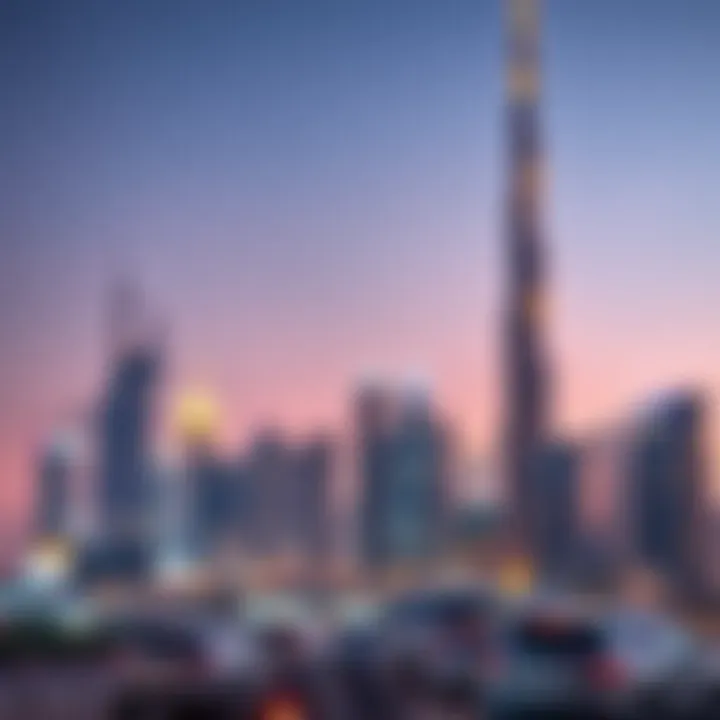
The Burj Khalifa, standing at a staggering 828 meters, is not just a skyscraper; it is a feat of engineering talent and architectural vision. As the tallest structure in the world, it redefines what is possible in high-rise design. This iconic tower integrates unique elements like a y-shaped floor plan that helps reduce wind forces, enhancing stability.
Besides its height, the Burj Khalifa serves as a cultural symbol and a major tourist attraction, significantly boosting Dubai's economy. However, its premium construction and maintenance costs remain a challenge.
Dubai Marina Towers
The Dubai Marina Towers highlight another aspect of architectural brilliance in the city. Composed of multiple towers, including residential and commercial spaces, they embody a lifestyle that merges luxury with waterfront living. The towers are strategically positioned to maximize views of the marina, integrating seamlessly with the urban fabric.
Key characteristics include their expressive forms and innovative use of materials, which enhance both functionality and appeal. While they provide an attractive investment opportunity, the challenge of living in such high-demand areas often drives prices up, affecting affordability.
Economic Implications of City Towers
City towers play a significant role in shaping the economy of Dubai, acting as both catalysts for growth and as indicators of market trends. These colossal structures represent more than just a skyline filled with remarkable architecture; they embody investment potential, drive job creation, and are pivotal to the tourism sector. As we've seen in other global cities, mega structures often epitomize economic prosperity, and Dubai is no exception. Understanding the economic implications of these urban giants is key for investors, homebuyers, and anyone involved in the real estate sector.
Investment Opportunities
Rental Yields
When we examine rental yields associated with city towers, it's striking how profitable they can be. Rental yields in Dubai, particularly within the glimmering towers, often sit above the global average. This high rate is largely driven by the immense demand for apartments and commercial spaces located in prime areas, directly linked to the allure of living or working in iconic towers. Investors are largely drawn to this potential for steady income, making these towers a hot topic in real estate discussions.
What sets the rental yields of city towers apart is their high occupancy rates. As more expatriates and entrepreneurs flood into Dubai, the need for housing that offers both luxury and accessibility becomes paramount. However, it’s crucial to note the fluctuations that can occur; factors like economic cycles and global events can impact rental prices and demand, adding an element of risk for investors.
Market Trends
Market trends surrounding city towers reflect broader economic conditions. In recent years, we’ve observed a significant shift towards sustainability and smart technology, which influence both investment and construction priorities. Investors are keen on towers that incorporate green technologies and innovative designs, as these features not only enhance the living experience but also promise long-term value appreciation.
Additionally, trends indicate that buyers are leaning towards mixed-use developments wherein city towers combine residential, retail, and office spaces. This creates appealing environments for tenants and homeowners alike, fostering vibrant communities. However, it’s vital to approach these trends with caution, as not every development aligns with changing market demands; understanding the local context is key.
Impact on Local Economy
Job Creation
City towers are monumental in driving job creation within Dubai. Each construction project necessitates a myriad of jobs, from construction workers to architects to even retail staff once the tower is operational. As the skyline evolves, so does the job market – leading to not only direct employment opportunities but also spurring growth in ancillary industries.
Such developments cultivate a skilled labor force, enhancing overall productivity and economic resilience. The unique characteristic of job creation linked to city towers is its multiplier effect; when seasonal projects wrap up, many individuals often transition into new roles within other completed towers or businesses that have opened in the area. However, there is a growing need for sustainable job creation beyond construction to ensure long-term economic health around these urban centers.
Tourism Growth
The tourism sector in Dubai hinges on its iconic architecture, with city towers serving as beacons for travelers from around the globe. Many tourists flock to experience stunning views from the Burj Khalifa or partake in entertainment offered within various towers. This influx not only benefits the hospitality and travel industries but also boosts local businesses.
One noteworthy aspect of tourism growth is the potential for year-round events hosted within these towers, attracting visitors irrespective of seasonal patterns. However, there’s an inherent risk; market fluctuations can lead to downturns in tourism, impacting revenue streams linked to these towering attractions. Keeping abreast of such trends becomes vital for stakeholders focused on the sustainability of this economic sector.
Ultimately, the economic implications of city towers in Dubai present both ample opportunity and notable challenges. Investors must navigate a landscape characterized by high returns and fluctuating market dynamics, a balancing act that requires both insight and strategy.
Social Influence of City Towers
City towers are more than just impressive feats of architectural prowess; they hold a significant sway over the social fabric of urban environments. In Dubai, where the skyline is dotted with skyscrapers, the influence of these towering structures can be seen in how communities evolve, interact, and flourish. Their presence goes beyond aesthetics, ultimately shaping the lifestyle and cultural identity of the city’s populace.
Community Development
Cultural Spaces
Cultural spaces within city towers serve as the heart and soul of urban life. They are designed to host art galleries, performance arts venues, and exhibition halls that bring together a diverse array of creators and audiences. The blend of culture with commerce in these towers facilitates a communal atmosphere where creativity thrives. Dubai's Art Hub in the Dubai Design District (D3) exemplifies this integration.
Key characteristics of these cultural spaces include:
- Diverse Programming: Events range from art exhibitions to music festivals, drawing in crowds from all walks of life.
- Accessibility: Many of these spaces are designed to be welcoming to the public and provide free or low-cost access to artistic experiences.
The unique feature of these cultural hubs is their role in bridging gaps between various communities. However, one challenge is that sometimes they can be perceived as exclusive, limited by their location and amenities, which may not be accessible to everyone in the broader social landscape.
Public Amenities
Public amenities in city towers often include parks, leisure facilities, and wellness centers. They play a crucial role in enhancing the quality of life for residents and visitors alike. These spaces serve as vital connective tissue, offering areas where people can gather, relax, and engage in recreational activities. The Dubai Marina Walk stands out as a prime example of an amenity-rich environment that promotes a vibrant outdoor lifestyle.
Key characteristics of public amenities focus on:
- Integration with Daily Life: These features promote an active lifestyle, encouraging residents to use them regularly.
- Green Spaces: Incorporation of gardens and parks provides an essential counterbalance to the concrete jungle.
While these amenities greatly enrich urban living, they can come with drawbacks, such as maintenance costs and potential overcrowding, which can diminish their accessibility and overall enjoyment.
Lifestyle Changes
Urban Living Experience
The urban living experience in Dubai’s high-rises is marked by a mix of luxury and convenience. With numerous towers featuring amenities like swimming pools, gyms, and retail establishments, they attract individuals looking for a lifestyle that is both dynamic and effortless. Residents enjoy the perks of proximity, with workplaces, leisure options, and cultural experiences often just an elevator ride away.
Key traits of this lifestyle shift include:
- Convenient Living: Easy access to essential services makes day-to-day life smoother.
- Community Interaction: Social events organized in towers foster a sense of belonging among residents.
However, increased urban density can lead to congestion and sometimes a loss of privacy, which some may find challenging.
Social Dynamics
Social dynamics in city towers reflect broader trends in how urban populations interact. These towers serve as microcosms that showcase diversity, bringing together different cultures, backgrounds, and lifestyles under one roof. The multicultural milieu often sparks unique relationships, networking opportunities, and cultural exchanges. An example is the vibrant community at the Burj Khalifa, where residents engage in a rich tapestry of cultural interactions.
Key characteristics of these social dynamics feature:
- Diverse Interactions: The blend of various groups fosters tolerance and understanding.
- Networking Opportunities: A mélange of professionals and creatives often ignites collaboration and innovation.
On the downside, this melting pot environment might lead to misunderstandings or cultural clashes if not managed properly, which could potentially fragment the community vibe that towers aim to create.
In summary, the social influence of city towers in Dubai transcends the physical structures themselves; it's about fostering interactions, cultivating community development, and defining the urban experience in an ever-evolving cityscape.
Environmental Considerations
The environmental aspects of city towers in Dubai's ever-evolving skyline are pivotal in today’s urban discourse. As this vibrant city grows, integrating architectural innovation with sustainability has become more of a necessity than an option. City towers are not just sheer statements of modernity and luxury; they also present a spotlight on how urban structures interact with their surrounding ecosystem. Understanding both the benefits and the concerns regarding environmental impact fosters a holistic view of Dubai’s towering giants.
Sustainable Design Practices
Energy Efficiency
Energy efficiency stands at the forefront of sustainable architecture, especially in a location like Dubai, which experiences extreme temperatures. It focuses on minimizing energy use while still delivering comfort for inhabitants. One standout characteristic of energy efficiency is smart building technology, which controls energy consumption intelligently. This involves systems that adjust lighting and temperature according to usage patterns. Essentially, the towers adapt to the rhythms of their occupants, making energy-saving efforts feel almost seamless.
The beauty of energy efficiency technology is highlighted by its dual benefit: lowering operational costs and addressing the ecological footprint. Buildings designed with high-performance insulation and advanced glazing can keep temperatures stable, dramatically reducing reliance on air conditioning. However, while these solutions demonstrate clear advantages, they may come with a higher initial investment. Though the long-term savings tend to outweigh these upfront costs, some investors see this as a barrier.
Green Building Certifications
Green building certifications like LEED (Leadership in Energy and Environmental Design) offer frameworks and guidelines to evaluate how sustainable a building is. Achieving certification is more than just a badge; it signifies a commitment to improved environmental performance. Key characteristics of green certifications involve design criteria that enhance sustainability, including water conservation, energy performance, and material selection. This serves as both a marketing tool and a standard for eco-friendliness.
The unique feature of certified buildings is their ability to attract tenants who prioritize sustainability. Such tenants often include corporate entities eager to enhance their environmental reputation, bringing stable rental income for investors. On the flip side, the process to achieve these certifications can be lengthy and complex, posing an challenge to some developers. Nevertheless, the benefits—such as increased property value due to heightened demand for eco-friendly spaces—are often seen as considerable offsets.
Impact on Urban Ecosystem
Urban ecosystems are significantly influenced by the presence of towering buildings. As cities eclipse natural landscapes, the implications stretch beyond just aesthetics; they affect biodiversity and the urban climate. Recognizing these impacts is crucial for shaping a more sustainable future in urban planning.
Biodiversity
Biodiversity within urban areas has often been seen as a secondary concern, yet it plays a crucial role in maintaining ecological balance. Increasing green spaces, terraces, and vegetative roofs within city towers can provide much-needed habitats for various species. A city that encourages a rich tapestry of life not only uplifts the natural environment but also enhances the well-being of its citizens.
A key advantage of enhancing biodiversity is the improvement of air quality and reduction in urban heat, which enhances livability and appeals to prospective buyers and renters. However, the challenge remains: integrating these green spaces within the constraints of urban density. Many towers are being designed to address this, fostering a sense of coexistence with nature.
Urban Heat Islands
Urban heat islands signify a localized warming effect often felt in densely built environments. City towers can contribute to this phenomenon by absorbing and retaining heat during the day and releasing it at night. However, innovative design strategies can mitigate these effects, for instance through the use of reflective materials or planting greenery on buildings. The distinct advantage here is not just local cooling, but also promoting healthier ecosystems and enhancing the comfort of residents.
Yet, while the solutions are readily available, implementing them can entail higher costs. Balancing economic viability with environmental stewardship remains a delicate dance for developers. Nevertheless, understanding urban heat islands is crucial as we plan the next phase of urban development in Dubai.
Overall, the nuances of environmental considerations shape the trajectory of city towers in Dubai, suggesting they have the potential to be more than just structures; with thoughtful design, they can foster sustainable urban living.
Emerging Trends in Tower Development
The evolution of city towers in Dubai is marked not just by their height but by how these structures are redefining modern living and working environments. Emerging trends in tower development manifest the vision for future urban landscapes, adapting to the needs of a rapidly changing population and addressing challenges related to sustainability, technology, and urbanization. Through examining these trends, one gains insight into how towers play a pivotal role in shaping the real estate landscape.
Vertical Communities
One of the most significant trends currently influencing the construction and design of city towers in Dubai is the concept of vertical communities. This idea revolves around creating self-sufficient ecosystems within a single tower or complex. By combining residential, commercial, and recreational spaces vertically, these structures minimize the need for horizontal expansion, thus conserving precious land and reducing transportation emissions.
Advantages of vertical communities include:
- Accessibility: Residents enjoy immediate access to amenities like grocery stores, fitness centers, and communal areas without having to venture out of their home.
- Cohesion: Living in close proximity fosters community engagement and social interaction.
- Efficiency: It’s easier to manage resources like water and energy in a compact living environment, which can lead to lower operational costs.
As more developers embrace this trend, towers like the Burj Khalifa are setting benchmarks for community integration, demonstrating that high-density living can indeed thrive in urban settings.
Smart Building Technologies


Embracing advanced technologies is another driving force behind the modern skyscraper development in Dubai. Smart building technologies are becoming increasingly vital in enhancing the efficiency, safety, and overall experience of city towers. These technologies offer solutions that not only cater to the immediate needs of tenants but also anticipate future requirements.
Some notable features include:
- Automated Systems: From lighting to heating, intelligent systems automatically adjust to optimize energy use and maintain comfort for occupants.
- Security Enhancements: Integrated security systems utilize surveillance cameras and biometric access controls to safeguard residents and assets.
- Data-Driven Analytics: By collecting and analyzing data from various sensors, developers can make informed decisions regarding maintenance and improvements.
These smart technologies help position Dubai as a leader in innovation, drawing attention from investors seeking modernized living spaces designed for efficiency. The integration of smart technology transforms towers into living organisms that learn from their environment, enhancing urban living from the ground up.
"The future of Dubai is not just in the buildings, but in how those buildings communicate with us and adapt over time," an industry expert remarked, emphasizing the urgency for a shift in architectural design philosophy.
Through vertical communities and smart technologies, Dubai's tower development showcases a commitment to sustainability, efficiency, and livability. Investors, homebuyers, and renters will find that these trends drive not only substantial property value growth but also a superior quality of life. As the architectural landscape continues to evolve, understanding these trends will be key for anyone looking to navigate the city’s dynamic real estate market.
Challenges in Tower Construction
The construction of city towers in Dubai presents an array of challenges that significantly influence the overall real estate landscape. Understanding these hurdles is crucial for anyone involved in property investment or development. Tackling these challenges head-on not only ensures successful project completions but also fosters more sustainable urban growth.
Above everything else, the evolution of city towers from mere structures to landmarks demands overcoming complex regulatory frameworks and addressing pressing environmental concerns. Such issues intertwine seamlessly, shaping the future of city living and investment potential in Dubai’s ever-changing skyline.
Regulatory Hurdles
Dubai's skyline, characterized by its iconic towers, owes much to a robust regulatory system that, while providing necessary structure, presents its share of challenges for developers. Regulations surrounding building codes, zoning laws, and safety standards can sometimes feel like navigating a maze. Familiarizing oneself with these regulations is imperative.
- Building Codes: Ensuring compliance with local and international building codes can be time-consuming. Each tower must meet specific safety standards to withstand the harsh desert environment.
- Zoning Laws: The land-use regulations dictate where and how high buildings can be constructed. These constraints require developers to invest time in planning and approval processes, impacting timelines and budgets.
- Environmental Assessments: Many projects must undergo rigorous environmental assessments before construction begins. This process evaluates potential impacts on the surrounding ecosystem and community.
Developers often find themselves confronted with lengthy approval processes, which can stall projects indefinitely. Such delays can lead to increased costs, frustrating investors who wish to see a quick return on their investments.
In navigating these hurdles, it’s essential for investors and builders to establish good relationships with local authorities and engage in thorough initial project planning, ensuring alignment with regulatory expectations from the get-go.
Environmental Concerns
As the world increasingly focuses on sustainability, the construction of city towers in Dubai is not exempt from scrutiny regarding environmental impacts. Developers are challenged to blend innovative designs with eco-friendly practices, meeting both market demand and environmental responsibility.
- Resource Management: The construction process requires immense resources, and improper management can lead to significant waste. From water to building materials, each aspect must be closely monitored.
- Building Footprint: Urban density poses a dilemma. Expanding upward may save space, but it can disrupt existing ecosystems. Developers must consider biodiversity and reducing urban heat islands when designing their towers.
- Energy Consumption: Towers consume vast amounts of energy during construction and operation phases. Integrating energy-efficient technologies is no longer optional but a necessity for sustainable growth.
"Sustainable cities are those that prioritize the balance between growth and the environment, nurturing both the economy and nature."
Integrating green building certifications into tower designs not only alleviates some environmental concerns but also appeals to a growing segment of socially conscious investors. Provisions for solar panels, recycling systems, and improved air quality features are becoming standard expectations rather than luxury add-ons.
By understanding and addressing these challenges, developers in Dubai’s ambitious real estate market can lead the way toward building not just towers but sustainable communities that harmonize with the environment.
The Future of City Towers in Dubai
In the ever-evolving landscape of Dubai's real estate, the future of city towers holds significant promise and urgency. As urbanization accelerates, these structures are more than concrete and glass; they embody aspirations and investments of countless individuals and corporations. Understanding the trajectory of city towers in Dubai is crucial for anyone involving themselves in real estate—whether an investor, homebuyer, or even a renter looking for a place his or her heart can call home.
One key consideration for the future of city towers is sustainability. With the world increasingly aware of climate change's impact, future building projects will likely lean towards greener practices and innovative technologies. This shift poses advantages for investors, as properties designed with sustainability in mind could experience higher interest and valuation over time. Moreover, integrating smart technologies into city towers can enhance living experiences and reduce operational costs, making them more desirable.
Predictions for Development
The predictions regarding the development of city towers in Dubai paint a captivating picture. The current trajectory suggests continued growth, particularly in vertical engineering and mixed-use spaces. Developers may concentrate on creating multi-functional buildings that combine residential, commercial, and recreational spaces. This vertical community concept can foster stronger neighborhoods, where more individuals can live, work, and play in close proximity.
There's also speculation on the architectural landscape due to advancing technologies in construction. Prefabricated materials and modular construction methods could become prevalent. Not only do they save time, but they also lead to more efficient use of resources. Investors should keep an eye on these methodologies as they could shape future projects and dictate which new towers will rise.
- Key Areas to Watch:
- The rise of green buildings designed for energy efficiency
- Innovations in construction technology
- Increased demand for mixed-use developments
Evolving Market Dynamics
The real estate market in Dubai is dynamic and ever-changing, and the future of city towers will undoubtedly reflect this evolution. With the influx of international investors and rising expatriate populations, demand for luxury high-rise living will likely persist. Enhancing amenities within these towers—like gyms, communal spaces, or even exclusive cafes—can cater to a lifestyle that residents and visitors are seeking in Dubai.
Furthermore, as global economic trends shift, so do buyers' priorities. Investors might begin looking for properties that offer not just a good view but community engagement and social responsibility. In this scenario, city towers could transform into hubs of entertainment and interaction.
"The future promises a more resilient real estate market, driven by demand for connectivity and sustainable living."
As we speculate on the evolving market dynamics, we must be aware that changes in regulations, demographics, and even global economic events can ripple through the towers' functionalities. Keeping trends in technology, sustainability, and lifestyle in view will guide future actions.
In summary, the future of city towers in Dubai is not just about aesthetics or location; it intertwines deeply with social values, sustainability, technological advancements, and community engagement. Investors who recognize these intertwining themes are better positioned to make informed decisions that benefit not only themselves but also enrich the urban environment as a whole.
Ending
The discussion about city towers in Dubai's real estate landscape cannot be understated. These structures are not only architectural wonders but also vital players in the economic and social fabric of the city. As we wrap up this analysis, it’s important to highlight how city towers represent the intersection of culture, economy, and urban life.
Summary of Insights
City towers serve as monumental landmarks that encapsulate the spirit of modern Dubai. They attract investments and provide a unique living experience for both locals and expatriates. Some critical insights from our examination include:
- Architectural Diversity: Each tower embodies a unique design that reflects its purpose and the identity of the area it occupies. From the sleek lines of the Burj Khalifa to the innovative designs of Dubai Marina Towers, these structures are statements of architectural prowess.
- Economic Drivers: Investment in city towers contributes significantly to the local economy, increasing opportunities in real estate, tourism, and by providing jobs. Areas around these towers often see an increase in retail and hospitality ventures, creating a bustling environment that attracts more residents.
- Socioeconomic Impact: City towers influence the way communities interact and develop. The introduction of communal spaces and amenities in these high-rises fosters social interaction among residents, thereby enhancing the urban living experience.
Overall, it is evident that city towers in Dubai are far more than just buildings; they play a pivotal role in shaping the identity and economy of the emirate.
Final Thoughts
Looking ahead, the trajectory of city towers in Dubai undoubtedly leans towards greater innovation and sustainability. As urban population dynamics change, the development of future towers will likely focus on integrating cutting-edge technologies and environmentally friendly practices. This could mean a shift towards vertical living spaces that are not only luxurious but also contribute positively to the urban ecosystem.
"City towers are more than mere steel and glass; they are a testament to human ingenuity and the quest for progress."
For more on Dubai's architectural advancements, check out resources from Wikipedia and Britannica.
Understanding these dynamics will provide valuable insights for navigating Dubai's real estate landscape.